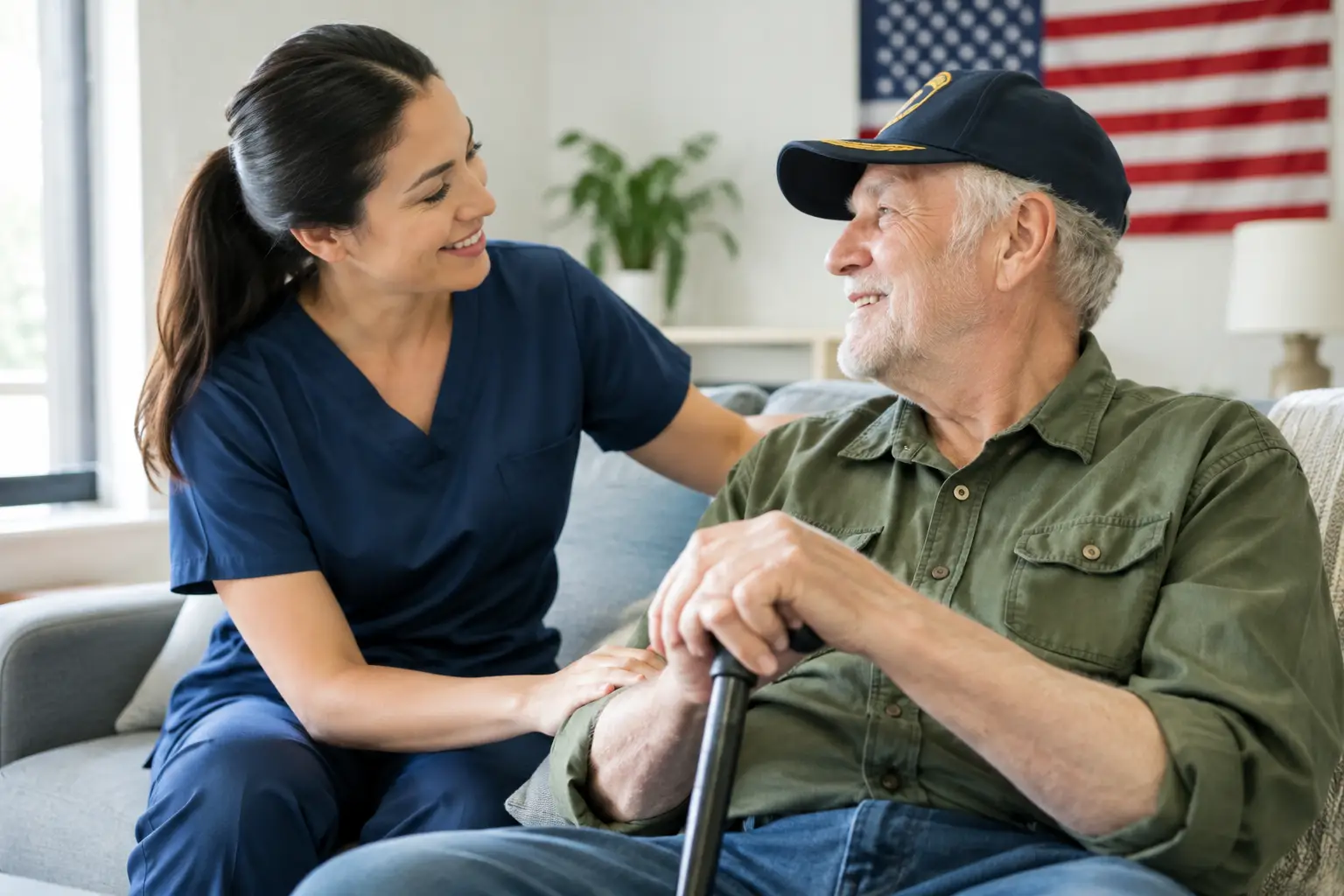
For many veterans and their families, the hardest part of arranging help at home is not recognizing the need. It is figuring out how to pay for dependable support without adding another burden to the household. Learning how to use VA benefits can make that next step more manageable, especially when a veteran wants to remain in familiar surroundings with practical day-to-day assistance.
VA benefits are not one-size-fits-all, and home support is not automatically approved simply because a veteran needs help. Eligibility, available programs, service needs, and local options all affect the outcome. Still, a clear process can replace uncertainty with a workable plan.
Start by Identifying the Type of Support Needed
Before contacting the VA or beginning an application, take a close look at what would make life at home easier. Families often start with a broad concern: a spouse is doing too much, a parent is alone for long stretches, or everyday tasks are becoming difficult to keep up with. Turning that concern into a practical list helps everyone have a more productive conversation.
Non-medical in-home support may include companionship, meal preparation, light housekeeping, laundry, grocery shopping, transportation or errands, reminders, help maintaining routines, and respite for a family caregiver. The right schedule may be a few hours each week, regular daytime help, overnight supervision, or temporary support while a family adjusts to changing circumstances.
Be specific about when help is most needed. A veteran who is comfortable in the morning but needs assistance with meals and household tasks later in the day may need a different plan than someone whose spouse needs a regular break. Knowing the rhythm of the household helps determine whether VA-funded support may fit and what services a home care provider can deliver.
Understand Which VA Benefits May Help With Care at Home
The VA offers several benefit pathways, but they work differently. Some veterans may qualify for VA-arranged services, while others may use a pension-related benefit to help cover the cost of assistance at home. The benefit that applies depends on service history, financial circumstances, the veteran’s current situation, and VA guidelines.
A VA pension with an Aid and Attendance allowance is one option some wartime veterans and surviving spouses explore when they need ongoing assistance. This is not a direct home care program or a guarantee of a set number of caregiver hours. It is a financial benefit that, when approved, may help a household pay for qualifying support.
Other veterans may be referred through the VA to programs that coordinate services in the home. Availability can vary by location and by the veteran’s individual eligibility. Families should avoid assuming that a benefit advertised generally will cover a particular service, provider, or schedule. Ask directly what support is authorized, whether there are limits on hours, and whether the VA selects the provider or allows the family to choose.
If a spouse or adult child is handling the paperwork, make sure the veteran has authorized that person to discuss the claim when needed. This small step can prevent frustrating delays when questions arise.
How to Use VA Benefits Without Losing Track of the Details
The application process can feel paperwork-heavy, but it becomes more manageable when it is handled in stages. Start by gathering basic records, including military discharge information, identification, financial documents if required, and any paperwork that explains the support being requested. Keep copies of every form, estimate, notice, and receipt in one folder.
Next, contact the VA directly or work with an accredited Veterans Service Officer. An accredited representative can help families understand which benefit path makes sense and how to submit materials correctly. This is particularly valuable when a family is unsure whether it is pursuing a pension-related allowance, a VA-arranged service, or another form of support.
When speaking with the VA, ask clear, practical questions:
- Which benefit or program is the veteran being considered for?
- What eligibility documents are still needed?
- Can non-medical in-home assistance be included?
- Is there an approved-provider process?
- What is the expected review timeline, and how will decisions be communicated?
Do not wait to ask about timing. Some families need help immediately, while a benefit decision may take longer. In that situation, it may be sensible to begin care privately, if the household can do so, while the application moves forward. Others may need to wait for approval before putting regular care in place. The best approach depends on the family’s budget, urgency, and available caregiver support.
Build a Home Care Plan That Matches the Benefit
Once you understand the likely benefit route, the next step is matching it to a realistic care plan. A good plan does not simply list tasks. It identifies what will make the home safer, calmer, and easier to manage for the veteran and family.
For example, a veteran may need a caregiver who can prepare meals, handle light household tasks, provide companionship, and offer reliable transportation for errands. Another household may need respite care so a spouse can attend appointments, rest, or spend time with grandchildren. A family caregiver who is close to burnout may benefit most from consistent weekly support rather than waiting until an emergency forces a rushed decision.
Ask a prospective provider how it handles caregiver matching, schedule changes, communication with families, and continuity of care. A low hourly rate does not mean much if caregivers frequently change or there is no dependable backup when someone is unavailable. Consistency matters because trust is built over ordinary moments: knowing where items belong, respecting routines, and recognizing when a family needs an update.
At Acti-Kare of Buford, families can begin with an in-home consultation to discuss the household’s needs and create a personalized plan for non-medical support. This conversation is also a helpful time to clarify whether care will be private pay at first, coordinated through an approved VA route, or adjusted after a benefit decision.
Keep Records and Review the Plan Regularly
Approval is not the end of the process. Families should keep records of caregiver schedules, invoices, benefit letters, and any communication about authorized services. Organized documentation makes it easier to respond if the VA requests additional information or if the family’s care needs change.
Review the care plan regularly with the veteran and the people closest to them. Is the schedule still working? Are the most important tasks being handled? Does the family caregiver have enough relief? Support at home should adapt as household routines change, rather than becoming another rigid system the family has to manage.
It also helps to designate one family contact who can communicate with the provider and keep others informed. This prevents mixed messages and gives the veteran a clear, respectful point of contact for care decisions.
Common Mistakes Families Can Avoid
One common mistake is delaying the first call because the VA process feels intimidating. Starting early gives families more time to gather records, ask questions, and consider care options without making decisions under pressure.
Another is relying on verbal assurances. Always request written confirmation of what has been approved, what is still pending, and what costs remain the family’s responsibility. Benefit programs can change, and individual approvals may have conditions.
Finally, do not assume support must be all or nothing. Even a modest amount of dependable assistance can protect a spouse’s energy, reduce household stress, and help a veteran maintain familiar routines at home. The goal is not to give up independence. It is to put the right support around it.
A VA benefit can be an important resource, but the real value comes from turning that resource into reliable help at home. Begin with the veteran’s everyday needs, ask direct questions, and choose support that brings comfort to the household as well as peace of mind to the people who care for them.
Leave a Reply